
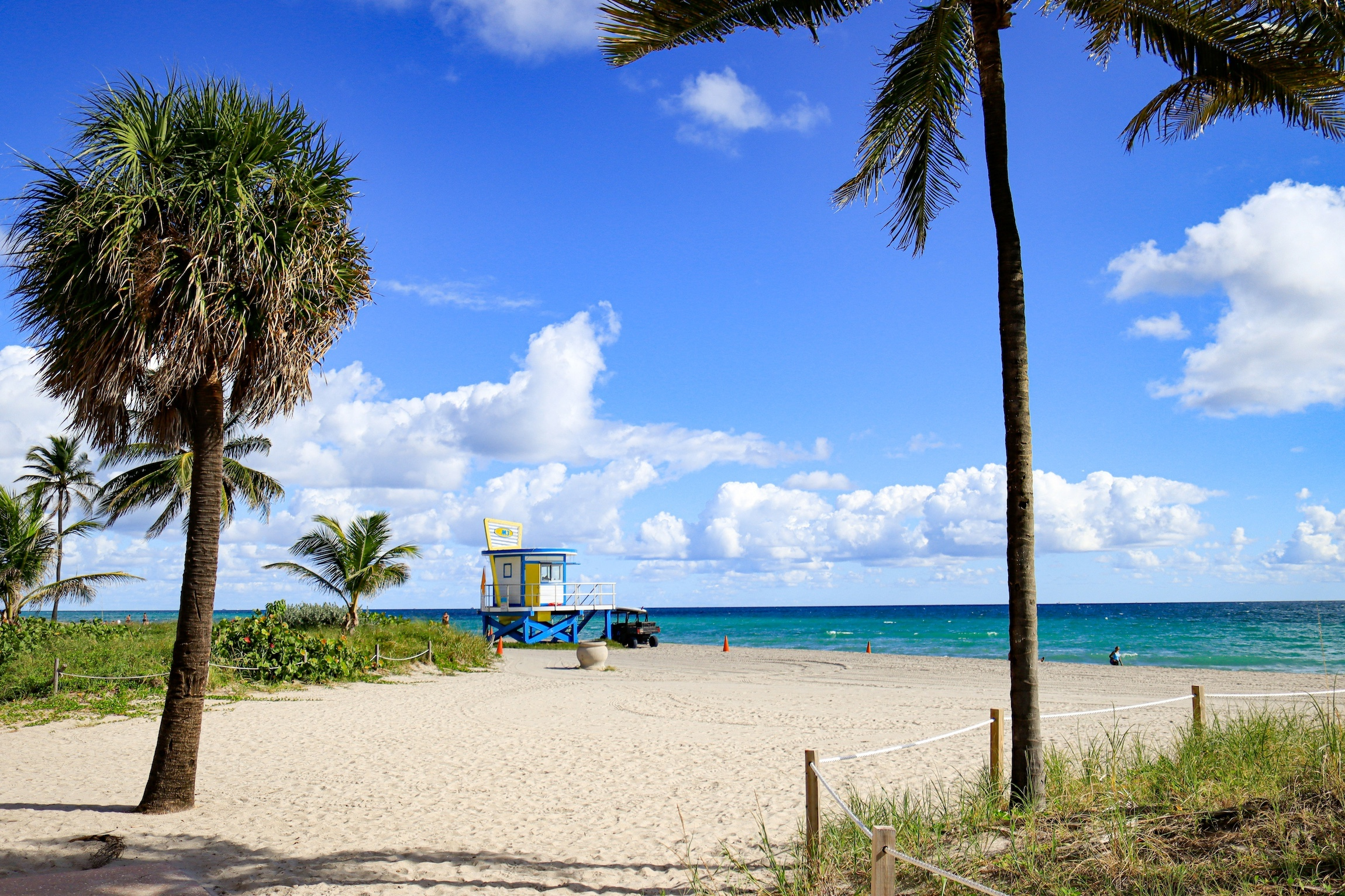
So, you’re ready to trade the Canadian winter for the Florida sunshine? As a cross-border real estate advisor, I see so many Canadians make the leap down south—and while the beaches are warm and welcoming, the real estate paperwork can feel like a foreign language!
Even though we both speak English, Canada and Florida use entirely different words for the exact same real estate concepts. If you expect your Quebec or Ontario real estate terms to work in the Sunshine State, you might find yourself a little “lost in translation.”
To help you navigate your sunny property search with confidence, let’s translate some of the most common Canadian real estate terms into their Floridian equivalents.

Certificate of Location vs. Survey
In Canada: When you buy a property (especially in Quebec), you look for an up-to-date Certificate of Location(Certificat de localisation). It’s that official document prepared by a land surveyor that shows the current state of the property, boundaries, and any buildings.
In Florida: Down here, nobody will know what you mean if you ask for a certificate of location. Instead, you need a Survey. A licensed Florida surveyor will map out the property lines, showing exactly where your piece of paradise begins and ends.
Servitude vs. Easement
In Canada: If the utility company has the right to cross your land to fix a power line, or if a neighbor has the right to use your driveway to access their home, you call that a servitude.
In Florida: In the Sunshine State, this right is called an Easement. Whether it’s a utility easement for the city or a private easement for a neighbor, it means the exact same thing—someone else has a legal right to use a specific portion of your land for a specific purpose.
Mortgage Deed vs. Mortgage & Note
In Canada: You secure financing through a mortgage (or hypothèque). In places like Quebec, this involves a formal Mortgage Deed (Acte d’hypothèque) that a notary prepares and registers directly against the property title at the land registry.
In Florida: While the word Mortgage is absolutely used here, the legal structure is split into two distinct documents during closing: the Promissory Note (your private, personal promise to the bank to repay the loan, which outlines your interest rates and terms) and the Mortgage itself (the document filed publicly in county records that secures the loan against the physical real estate).
Encroachment / "The Hippo Effect"
-
In Canada: In Quebec, real estate professionals jokingly (and sometimes seriously!) refer to an encroachment found on a certificate of location as a hippo effect (a playful take on the French word empiètement). It’s what happens when a neighbor’s fence, shed, or deck accidentally crosses over onto your property line.
-
In Florida: If a structure is sitting over the boundary lines, it’s simply called an Encroachment. Florida surveys will clearly mark these out, and they are a key detail we look at during the title review period to ensure your boundaries are clear.
Sold "Without Legal Warranty" vs. The Florida "AS IS" Contract
- In Canada: In the Canadian market—and extensively in Quebec—you see many properties sold “Without Legal Warranty” (Vente sans garantie légale, aux risques et périls de l’acheteur). This is a heavy legal clause written into the Promise to Purchase and transferred directly onto the final Deed of Sale. It means the buyer waives their automatic legal right to sue the seller for hidden defects (vices cachés) discovered after the sale.
- In Florida: Florida handles this entirely differently. Properties in Florida are not tied to a legal warranty of quality on the deed. Instead, the standard practice for protecting a seller from future liability is using the “AS IS” Residential Contract for Sale and Purchase.
What does “AS IS” actually mean for a Canadian buyer?
Don’t let the words “As Is” scare you! It doesn’t mean the house is falling apart. It simply means the seller is stating from day one: “I am not obligated to pay for any repairs”.
To protect you, the Florida contract grants a specific Inspection Period (usually 15 days). During this time, you can bring in a licensed home inspector to check the roof, AC, plumbing, and structure. If you find issues you don’t like, Paragraph 12 explicitly grants the buyer the right to cancel the contract in their “sole discretion” during the inspection period. If you cancel in writing before that deadline, you get your earnest money deposit back in full.
Once you close, the property is yours—meaning the Florida “AS IS” contract achieves the seller’s peace of mind through a strict inspection timeline rather than a permanent deed clause.
Deed of Sale vs. The Different Types of Florida Deeds
- In Canada: When ownership changes hands, the final step is signing a Deed of Sale (Acte de vente) in front of a notary, which officially records you as the new owner. It’s a fairly standardized document.
- In Florida: Here, the document that transfers ownership is simply called a Deed, but they are not all created equal.
The main difference between them is the level of protection and legal guarantees (called covenants) the seller is making about the history of the property’s title.
Here are the primary types of deeds used in Florida real estate, ranked from the most protective to the least protective for a buyer:
1. General Warranty Deed (or Statutory Warranty Deed)
This is the absolute gold standard for real estate transfers and is the most common type used in traditional Florida residential home sales.
The Guarantee: The seller provides a full, lifetime guarantee that they legally own the property, have the right to sell it, and that the title is clear of any hidden defects or liens. Crucially, this protection covers the property’s entire history—extending all the way back to when the land was first developed, long before the current seller even owned it.
Best For: Standard residential home purchases where a mortgage lender or a traditional buyer wants maximum legal protection.
2. Special Warranty Deed
This deed offers a mid-tier level of protection. It looks very similar to a General Warranty Deed, but it comes with a major catch regarding time.
The Guarantee: The seller guarantees that the title is clear and that they didn’t do anything to mess up or encumber the title only during the exact timeframe that they personally owned the property. They make absolutely zero promises or guarantees about title defects caused by previous owners before their time.
Best For: Commercial real estate transactions, bank-foreclosed properties, or new construction developers who want to limit their long-term liability.
3. Quitclaim Deed (Often mispronounced as “Quick-Claim”)
A Quitclaim Deed offers the lowest tier of protection and carries absolutely no warranties or covenants of title whatsoever.
The Guarantee: None. The person signing the deed is essentially saying: “I am not promising that I actually own this property, and I am not promising the title is clean. But whatever interest I happen to have in this land right now, I am completely giving up and transferring to you.” Because it offers no financial or legal safety net, it is almost never appropriate for a traditional property sale.
Best For: Internal transfers where no money is changing hands and trust is high—such as moving a property from your personal name into a business LLC, transferring property between family members, or clearing up a minor spelling mistake on a previous deed.
4. Bargain and Sale Deed
This deed sits in a unique legal grey area between a Special Warranty Deed and a Quitclaim Deed.
The Guarantee: Unlike a Quitclaim Deed, a Bargain and Sale Deed explicitly implies that the seller does actually own the property and has the right to transfer it. However, like a Quitclaim Deed, it does not provide any warranties against outstanding liens, covenants, or future title claims.
Best For: Tax sales, foreclosure auctions, or properties sold by a court-appointed official where the seller has no personal knowledge of the home’s background.
5. Enhanced Life Estate Deed (The “Lady Bird” Deed)
This is a highly specialized deed unique to Florida and a handful of other states, used primarily for estate planning rather than a standard real estate sale.
The Guarantee: It allows a property owner to automatically transfer their property to their chosen heirs (beneficiaries) upon their death, completely bypassing the lengthy and expensive US court probate process. The magic of a “Lady Bird” deed is that the original owner retains 100% control to sell, use, or mortgage the home during their lifetime without needing permission from their heirs.
Best For: Cross-border estate planning and asset protection for individuals looking to pass down their Florida property seamlessly.
What does “Free and Clear” mean? First, a quick myth-buster! “Free and Clear” isn’t a type of deed you sign. Instead, it’s a status. It means the title to the property is clean—there are no active mortgages, liens, or unpaid property taxes clouding the ownership.
Land Registry vs. "Title" & Title Insurance (The Big Closing Difference)
In Canada: Canadians don’t really use the word “Title” on a daily basis because of how our system works. In Quebec, a notary performs a title search at the Registre foncier (Land Registry) to ensure everything is perfect. Because a notary’s examination is backed by rigorous standards, buying Title Insurance is completely optional, and many buyers choose not to get it unless there’s a specific, minor issue discovered on a certificate of location.
In Florida: In the U.S., Title refers to your legal bundle of rights to own, use, and sell a piece of land. Instead of a notary guaranteeing the title, Florida relies heavily on a Title Company and Title Insurance.
Why Title Insurance is an absolute must in Florida:
Title insurance protects you against hidden ownership landmines that a basic search might miss—such as a previous owner’s unpaid contractor liens, back taxes, or an unknown heir coming out of the woodwork claiming they own your house. If you are financing your Florida property through a US bank, Title Insurance is mandatory. Even if you are paying cash, skipping it is highly discouraged because it is your ultimate financial shield.
Who pays for Title Insurance in Florida?
This is where local expertise comes in! Who pays for the owner’s title insurance policy actually depends on the county where the property is located. For example, in Broward County (Fort Lauderdale) and Miami-Dade, the buyer traditionally selects the title company and pays for the insurance. However, just up the road in Palm Beach County or across the state in Naples, the seller traditionally pays for it. It is a negotiable item, but local custom dictates the starting point on your contract!
PURCHASE IN THE SUNSHINE STATE — with Melissa Tromba
Buying property in Florida is an exciting milestone, but the legalities, contracts, and language are unique to the state. Working with a Real Estate professional (like myself) who is dual-licensed and understands the exact differences between Canadian expectations and Florida regulations ensures that nothing gets missed, and your investment is fully protected.